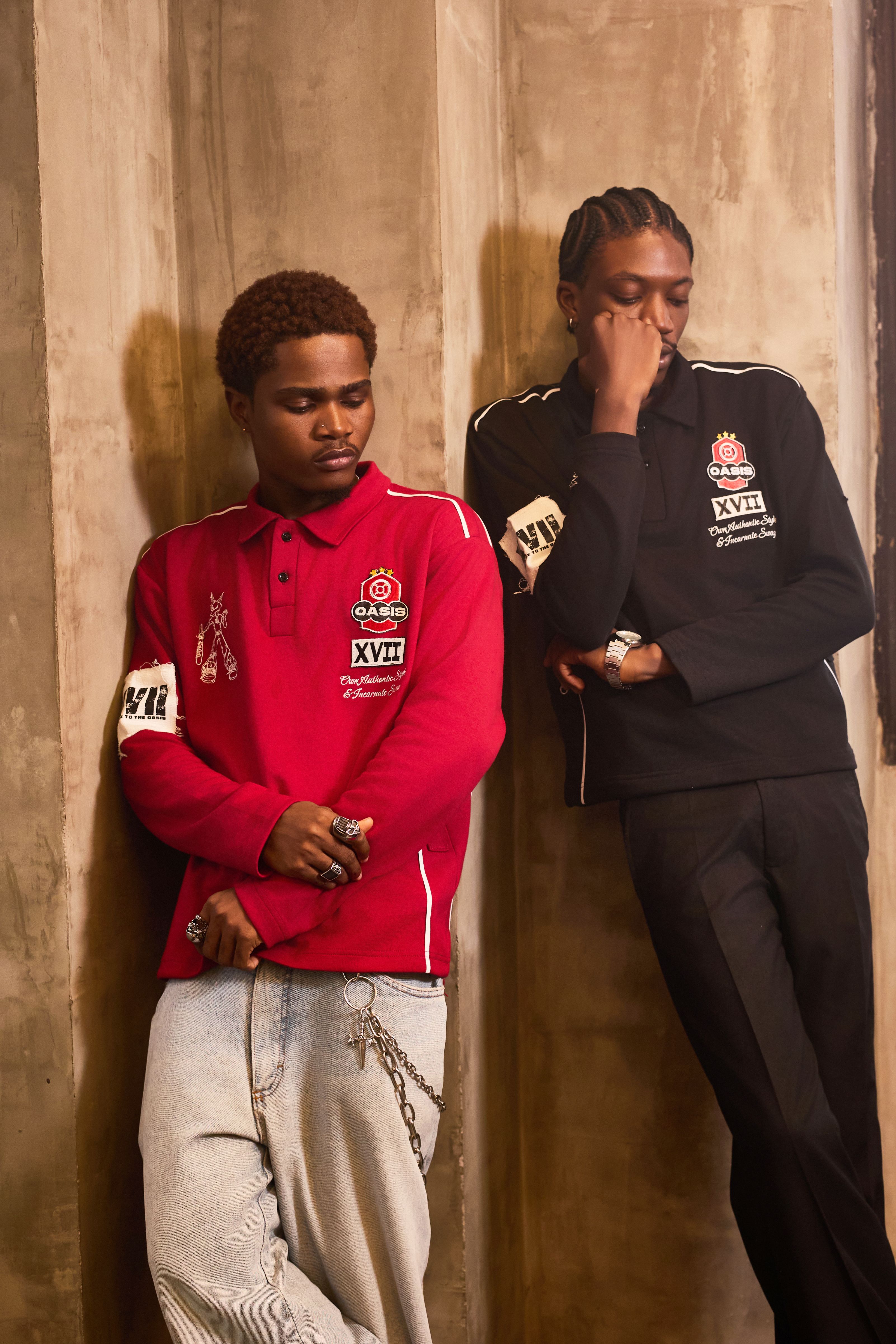
Vintage Moto Clothing New God Speed Pants
Godspeed Shirt Guide: Cuts, Graphics, and What Your Money Buys
You have already studied the graphic, located the size chart, and now want to know whether the shirt is worth $160. This guide exists to answer exactly that practical question. Godspeed shirts, made by the New York label, occupy the upper end of graphic-tee pricing, and what you are paying for is specifics anyone can check: print technique, fabric weight, wash treatment and run size. Working out which of those you are actually paying for cleanly divides a smart purchase from an expensive impulse. Cut, sleeves, graphic families, 2026 price ranges and pre-checkout questions are handled in the sections that follow. Prices here are market estimates, not an official list.
The Ten-Second Version
This is the section to read if you skip the rest. Strip it back and a godspeed shirt is a heavyweight, boxy, graphic-led piece whose mark is puff print or embroidery, never a thin screen print. Fits run relaxed and slightly cropped against an ordinary retail tee, so your usual size reads looser and shorter. A tight group of repeating families supplies the graphics, and washed grounds are more common than flat colour. With small, drop-based production runs, sold-out designs migrate to resale instead of being restocked. Everything else is summed up in the points below.
- Observed 2026 pricing: roughly $128 to $200 per shirt
- The $150 to $170 band catches the bulk of short-sleeve pieces
- Base colours: black, black wash, bone, grey wash
- Puff print, heavy embroidery and garment washing do most of the work
Fit: What Boxy Means on the Body
Fit is the first surprise for people coming from mall-brand tees. On purpose, the house cut is boxy and oversized: a wider chest and a shorter, squarer body compared with a traditional fitted cut. Most frames end up with a straight fall of fabric instead of a taper, and the shoulder seam sits outside the shoulder point. Stay at your normal size to get the look as designed, or size down once for godspeed shorts something more conventional. Heavier fabric holds that shape rather than clinging, which is why the silhouette reads deliberate rather than sloppy. Sleeve by sleeve, the range is broken down in the two subsections below.
The Short Sleeve
The short sleeve is the centre of the category and the least expensive route into the label. The largest front and back graphics goes on these, typically alongside a smaller chest or sleeve hit as a secondary mark. Most sit between $150 and $170 on observed pricing, and the entire shirt range floors out around $128. To match the boxy body, sleeves are cut wide and finish above the elbow. Given the short body, these layer awkwardly under most jackets and are better worn on their own. This is the one to buy if you want a single shirt to judge the brand.
Long Sleeve, Sleeveless and Layered Variants
The variants cost more and each solves a different problem. Long sleeve versions run to about $200 and bring sleeve-length graphics, which is where a good share of the label’s lettering appears. Sleeveless pieces sit at roughly $170 and leave more of the shoulder bare, so they ask for a body you do not mind showing. Layered constructions stack contrasting fabrics or a false second garment for depth without an extra piece. Sizing logic carries across since all three use the same relaxed torso as the short sleeve. Pick by season and by how much graphic surface you really want.
Graphics and How They Are Applied
The graphic is the product here, so it is worth knowing how it is made. Puff print, lifting the ink into a mark you can feel, and heavy embroidery, which sews rather than prints the design, are the two dominant techniques. Compared with the thin screens used on cheap tees, both are dearer per unit and age differently. Across seasons you will see the recurring letter marks R.O.D, I.G.W.T, F.T.D, G.R.C and VVS, together with the GS FOREVER and GS 4EVER lockups and an OG Logo script. Because the brand publishes no official expansions for those letter marks, every explanation circulating online is a guess. Skulls and skeletons, angelic and religious imagery, New York iconography and street-life themes round out the label’s regular motifs.
Judging Print Quality Before You Buy
Because photographs flatten the two techniques, the listing is what you have to read. Look for an edge shadow where the ink stands proud of the fabric, which marks puff print and shows best in raking light. Embroidery shows thread direction and a slight surface distortion around dense areas, and it adds noticeable weight to the panel. Anything glassy or plastic-looking points to a thin screen print, and should appear on neither. The product name is another clue, since designs like Empire Guardian, Liberty Tears, Neighborhood Watch and Mask Off differ in graphic density. Denser artwork eats more ink or thread, which explains where a piece sits within the range.
Colourways and Wash Treatments
Colour is doing more work than it looks like on these garments. The core palette is black, bone and grey, but pieces also arrive in Black Wash, Grey Wash or Blue Wash treatments, giving a faded, broken-in ground before you wear it. Washed pieces carry deliberate tonal variation, so two of the same shirt will not match exactly. Colours like rust, navy, yellow, lime, purple and orange supply the high-contrast accents, usually against a black or bone body. By softening high-contrast prints and flattening subtle ones, the wash changes how the artwork reads. Check which version you are buying, because at thumbnail size the washed and unwashed listings look much the same.
What You Pay in 2026
The numbers below are market estimates observed in 2026 taken across the brand’s own webstore, its stockists and resale platforms, rather than an official price list. They shift drop by drop, and sold-out designs can trade above or below retail depending on demand. Resale on StockX showed roughly forty apparel entries, with lowest asks from about $75 to $297, placing brackets on either side of the shirt range. Which means patience can beat retail, and impatience sometimes costs a premium. Treat the table as a sanity check on a listing, not a quote. Anything far outside these bands deserves a second look at the seller.
| Shirt type | Range observed in 2026 (USD) | Why it costs what it does |
|---|---|---|
| Short sleeve, regular print | $128-170 | Print scale and density set the level, and washed versions climb |
| Short sleeve with heavy embroidery | $150-180 | How many stitches and how much panel they cover |
| Sleeveless cut | roughly $170 | Cut and graphic placement rather than how much fabric is used |
| Long-sleeve version | topping out at $200 | More fabric and the extra graphics on the sleeve |
| Layered construction | upper end of the range | Several fabrics plus extra assembly |
How Shirts Sit Against the Rest of the Line
A shirt is the least expensive way into the label, and the rest of the range escalates quickly. A godspeed hoodie was seen at roughly $200 to $270, with one pullover near $200 and a heavier design carrying a $270 retail listing on a resale platform. Fabric and detailing pushed sweatsuits and matching sets from about $155 to $360; shorts held between $120 and $200 and premium denim near $250. The only accessory that competes with a tee on price is headwear, at roughly $60 to $150. godspeed shirts are the entry rung rather than the flagship once the whole ladder is in view. Should the graphic language leave you cold at $160, it will not convince you at $270.
A Buying Checklist
Neglecting the simple checks causes most of the disappointment in this category. Nearly all of it sits with sizing, technique and seller legitimacy, and checking each takes under a minute. A live listing is not proof of stock, because drops are limited and archived pages stay live after selling out. Resale listings add their own risk, since both condition and authenticity vary between sellers. The brand sells through its own webstore and a defined set of stockists, so anything else calling itself official deserves scrutiny. Before you pay, run through the points below.
- Look for boxy or oversized in the fit description, then pick your size on that basis
- Is it puff print, embroidery or a flat screen needs to be settled first
- If the colourway is a wash, the tonal variation comes with it
- Set the asking price beside the observed bands above
- Stay with the official webstore or a named stockist and avoid unfamiliar sites
One Thing Not to Believe
There is a confident brand history attached to these shirts, but it is not verified. The brand publishes no origin story, and the About section of its storefront holds placeholder text rather than a company narrative, so neither a founder nor a founding year has been stated publicly. Unofficial lookalike sites produce the detailed histories you see online, copying one another as they go. A separate, unrelated American company with a similar name makes garage and motorcycle goods, and some retailers have mistakenly assigned its founders to this streetwear label. None of that affects the garment in your hands, but it should affect which site you buy it from. The construction and the fit are what you can actually check, so judge the shirt on those.